
If you’ve ever questioned whether your gambling is moving from light fun into something that troubles you, you’re already performing a key step. A gambling self-assessment is a short set of questions that enables you to assess your habits, feelings, and spending. Here in Denmark, where platforms like Slotoro Casino put games easily within reach, this frank check-in is key to a healthy relationship with gambling. I consider it as a personal clarity tool, not a critique. It can direct your next moves and aid you maintain control while still savoring your favourite slots or table games.
What Exactly Is a Gambling Self-assessment?
A gambling self-assessment is a confidential questionnaire that enables you to identify risky gambling patterns at an early stage. It’s not a clinical diagnosis. Instead, it asks you to look back at your recent play, how you felt after wins and losses, and whether you’ve detected any consequences in your daily life. Most self-assessments use simple yes/no questions, sometimes with how-often scales, encompassing things like time spent gambling, chasing losses, borrowing money, or hiding your play from people close to you. At Slotoro Casino, I always tell players that the goal isn’t to catch you out—it’s to give you clarity. When I walk someone through a self-assessment, I treat it like a wellness check, much like monitoring your physical health. It often reveals patterns you’d otherwise miss in the middle of day-to-day play.
A lot of the self-assessments you’ll see are based on established screening tools like the Problem Gambling Severity Index, well-regarded in Danish addiction research. These questionnaires have been refined by years of study to pick up on subtle signs of problem gambling. When you use a self-assessment from a trusted source, you’re working with a research-backed framework that looks at patterns over time, not just individual slip-ups. I’ve noticed that Danish players who treat this like a regular habit—like a quarterly budget review—end up with a much more attentive approach to playing at Slotoro Casino and elsewhere.
How a Normal Self-assessment Functions

The self-assessment I typically suggest to Slotoro Casino members functions like an anonymous questionnaire. You’ll see statements such as “In the past year, have you felt you needed to gamble larger amounts of money to get the same feeling of excitement?” and you answer with a plain yes or no. The tool adds up the yes answers to give a risk score. What makes these assessments effective is that they cut through the mental stories we tell ourselves. When I advise players, I point out that there’s no grey area. You either hid a gambling session from someone you love or you didn’t. That binary clarity stops the mind from bargaining with the evidence.
Most self-assessments available in Denmark are meant to be taken alone. Still, I sometimes suggest that players do a first round solo and then, a week later, imagine their partner or closest friend reading their answers. That mental exercise often reveals a discomfort that signals a need to adjust. At Slotoro Casino, we never see your self-assessment results; the entire process is for your eyes only. I believe this privacy matters because it removes the fear of judgment and opens the door to honest self-reflection. læs historien If the feedback shows a moderate or high risk, you can act right away by adjusting your platform limits or reaching out to a Danish support service, and no one is watching over your shoulder.
Whenever a Danish player ends a self-assessment, I guide them to turn the insight straight into concrete action. Letting the result hang in your mind without a next step can breed anxiety thescore.com or denial. At Slotoro Casino, I suggest a simple three-step follow-up that I’ve seen produce real changes. The key is to pair the insight with a quick, low-effort move before your mind starts rationalising red flags. The whole thing takes less than ten minutes and turns a potentially uncomfortable self-discovery into a clear, actionable plan. Here is the routine I recommend:
- Seek a peaceful moment and answer honestly without distractions.
- Check your rating and write down the first emotional reaction that surfaces.
- Pick one immediate protective action, such as lowering a deposit limit or reaching out to a trusted person.
How Self-assessment Is Important for Denmark’s Players
In Denmark, gambling is part of everyday life, from the national lottery and sports betting to popular online casino sites. But the line between casual fun and harmful behaviour can fade little by little, often without a clear warning. That’s why I keep telling everyone I talk to at Slotoro Casino about regular self-checks. It offers you a personal baseline, letting you monitor shifts in your habits over time. Danish regulations, enforced by the Spillemyndigheden, require operators to offer responsible gambling tools, but no external system can take the place of your own awareness. A thoughtful self-assessment empowers you. You decide whether your current limits still align with your intentions, before any operator-led intervention kicks in.
Identifying the Cautionary Signals: A Self-Checklist
After taking a self-assessment, it helps to keep a handy checklist of red flags available. I’ve compiled a list of warning signs that I often talk about with Danish players who seek a fast routine mental scan. These indicators don’t replace a structured questionnaire, but they act as continuous cues to remain vigilant. If you notice any of these tendencies consistently over two weeks, I recommend re-taking a thorough self-assessment and considering a temporary hiatus from gambling.
- You frequently gamble longer than you first planned.
- You feel a intense urge to right away recover any money you lose.
- Gambling has commenced to influence your mood, sleep, or relationships.
- You take out money or dispose of belongings to fund your play.
- Your mind wanders to gambling during work or family time.
- You hide receipts, notifications, or betting slips from others.
Helpful Options at Slotoro Casino to Assist Your Personal Check
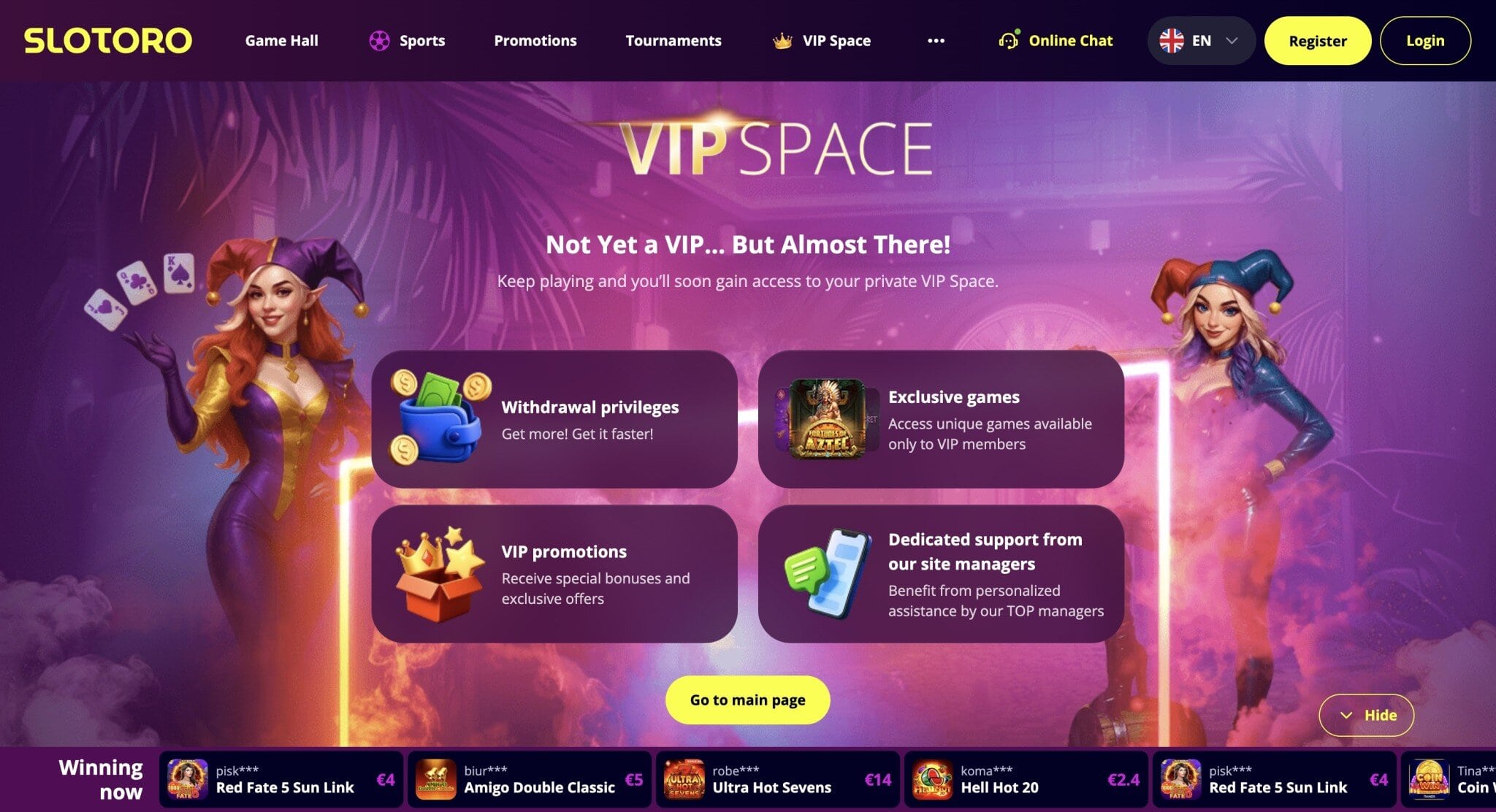
Slotoro Casino has integrated responsible gambling tools that let you act on what a self-assessment uncovers slotorocasino.dk. I urge every member I speak with to explore these tools right after they’ve done some thinking. Combining self-awareness with practical controls creates a safety net that holds even when willpower weakens, giving you twice the protection. The options below are present directly from your account dashboard, and you can activate or adjust them anytime without having to speak with a support agent.
- Deposit caps (daily, weekly, monthly)
- Loss caps per session or timeframe
- Session time reminders and awareness prompts
- Cooling-off periods from 24 hours to several weeks
- Permanent self-exclusion
Setting Personal Deposit and Loss Limits
After a self-assessment, I see deposit and loss limits as the primary protective step. When you define a daily deposit cap at Slotoro Casino, you build a hard boundary that the system won’t override until the next cycle. I often suggest initiating with a limit that appears slightly conservative, something that nudges you without seeming punishing. Over time, you can adjust or relax these boundaries as your emotional responses change. Many Danish players I’ve coached noticed that combining a loss limit with a reality check alert at the 30-minute mark reduced the urge to chase losses sharply, because the nudge occurred before the emotional spike, not after it.
Temporary and Permanent Self-Exclusion
For moments when a self-assessment suggests a deeper struggle, Slotoro Casino presents both temporary cooling-off periods and permanent self-exclusion. A break can extend from 24 hours to several months, preventing access while you re-engage with everyday life. I’ve seen players utilize this time to speak with a counsellor or re-explore hobbies. Permanent self-exclusion is a final step for those who recognise that any continued gambling would be detrimental; once active, it cannot be reversed. In Denmark, you can extend this protection across all licensed operators through the national ROFUS register, which I frequently recommend as a reliable complement to platform-specific tools.
